By Nicholas Pagonis
No, not THAT kind of sprint! It’s more like the one where you prepare to solve big problems and test new ideas in a little under a week! The Sprint process has been sharpened and refined for more than a decade, and with fresh new faces learning the ins-and-outs of the Design Sprint world, there’s no telling what other innovations and upgrades the current system will receive! But I’m getting ahead of myself! The sprint process, more specifically, the sprint checklist, has lots to comprehend and unpack, and is arguably the most important part. The effectiveness of a design sprint goes beyond excellent facilitation, an impressive prototype, and/or a carefully thought out user test. It’s the deciding factor that leads to the overall success of a design sprint, while also making each team member feel confident and organized during this herculean task.
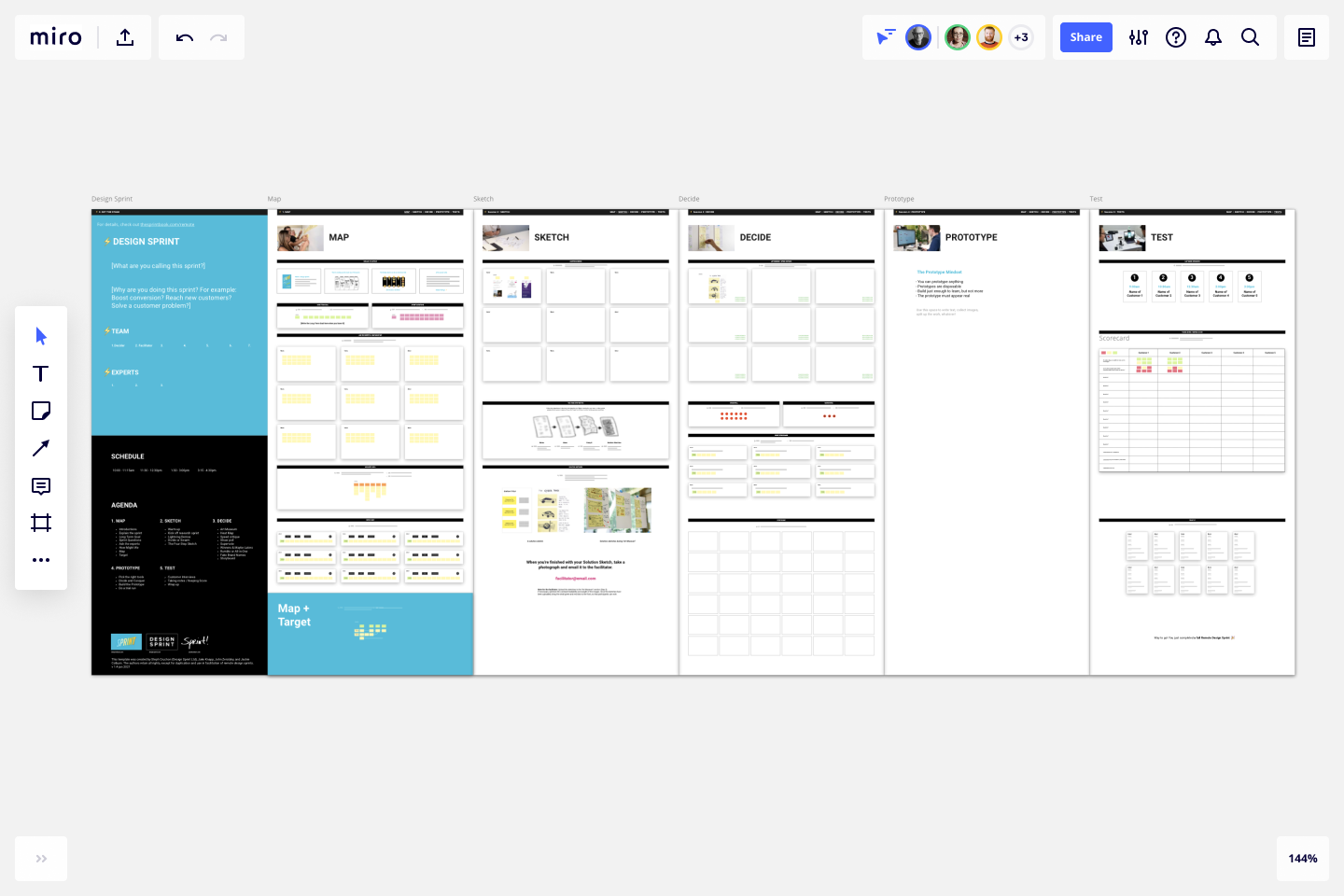
The Design Sprint Checklist and How it Works
A Design Sprint checklist is a structured guide used to plan and execute a Design Sprint effectively. It is a time-constrained, five-phase process (originally developed by Google Ventures) for answering critical business questions through design, prototyping, and testing ideas with users. It’s typically organized by preparation and daily activities, starting with the pre-sprint preparation, about 1-2 weeks before the actual sprint. It helps people feel confident and capable to complete the set goal, guarantees that you construct a validated prototype in 4-5 days, and minimizes the risk before investing in full development.
The group starts by defining the sprint challenge and/or problem, followed up by inviting the right team (a decision maker and facilitator for example) and scheduling the 4-5 day sprint. This is done through the use of block calendars, determining the tasks each team member is assigned and the timeframes to complete these tasks. The team can either choose to dedicate a room to the sprint or work remotely through programs like Zoom. Finally the group collects all the necessary tools and supplies for the sprint. After that, it’s time to get to work!

Map, Sketch, Decide, Prototype, Test
Day 1 of the sprint starts with, essentially, mapping out the journey and defining a long term goal. The group must conduct expert interviews with each other and ask many “How Might We…?” sprint questions/notes. Moving on to Day 2, the team basically builds on the previous “Map” day. They craft solution sketches together and individually. The group then reviews and critiques said sketches along with utilizing holding Heat Map, Straw Pole, and Super votes. Everyone concludes with reviewing previous ideas and inspiration from Day 1. Day 3 begins with the prototype stage, dividing the roles amongst the group and conquering the task! Once the work has been completed, the group performs a test run and brainstorms questions for Day 4 User tests, where the sprint process finally wraps up!
 UX Journey
Leave a comment