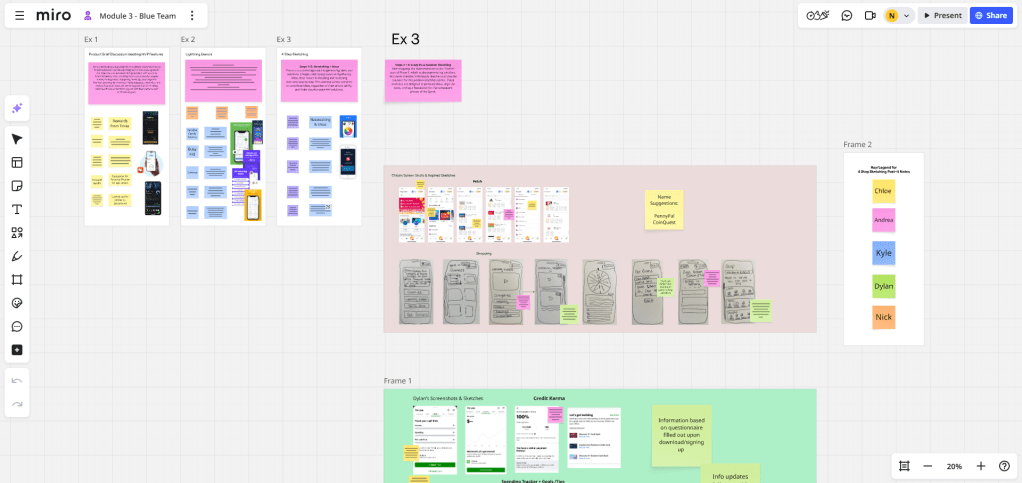
The first day of a sprint is a crucial part of helping small startups and big companies create a successful prototype. It sets the tone and direction for the entire sprint. This blog post is a comprehensive breakdown of what typically happens! The purpose of the first day is to to define what will be delivered in the sprint and to plan how the work will be accomplished. It also serves to break down selected items into tasks and ensure everyone is aligned and ready to start building. The people involved are the product owner, who clarifies the priorities and goals, the facilitator, who facilitates the meeting and ensures the agreed principles are followed, and the development team, who commits to what they can deliver and plans the work. Finally, the development team break the goals down into smaller objectives and discuss how the work will get done and how long it will take.
The Product Brief Discussion
An example of what the starting objective and goal of the sprint could be is a finance management app. My group decided to create smartphone app dedicated to teaching our target demographic (Gen Z young adults) how to properly utilize their every penny. This can be long-term planning, saving, investing, and/or budgeting. Financial literacy is a skill that is desperately needed in schools for high schoolers and college students all across the country, so it makes for the perfect main goal for a sprint! We first brainstormed ideas on what the app could look like and the features it would hold. Users could get rewards from answering trivia questions correctly, they can view a “Categories” tab for financial guidelines and advice for all ages, and credit card applications/tips. You can even connect your account to TikTok, Instagram, etc., encouraging users to share their knowledge and spread awareness that financial help is always available.
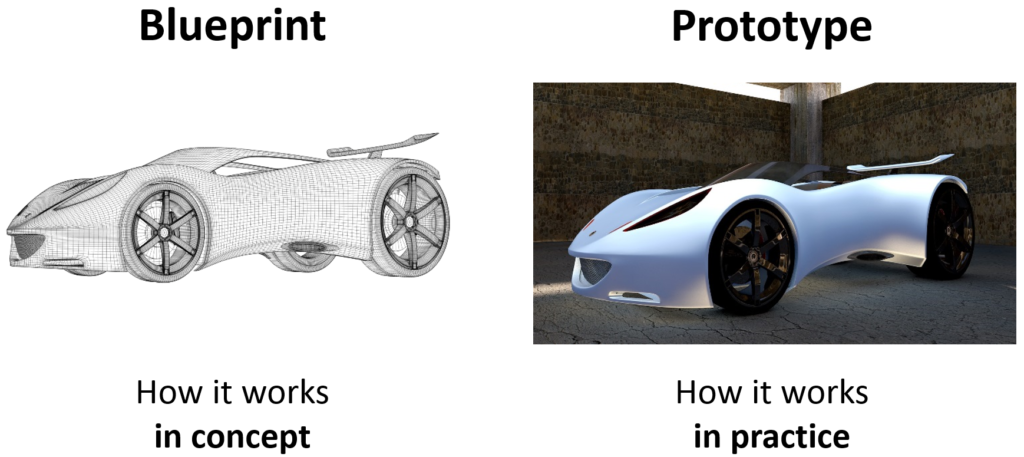
Lightning Demos and Sketch’s
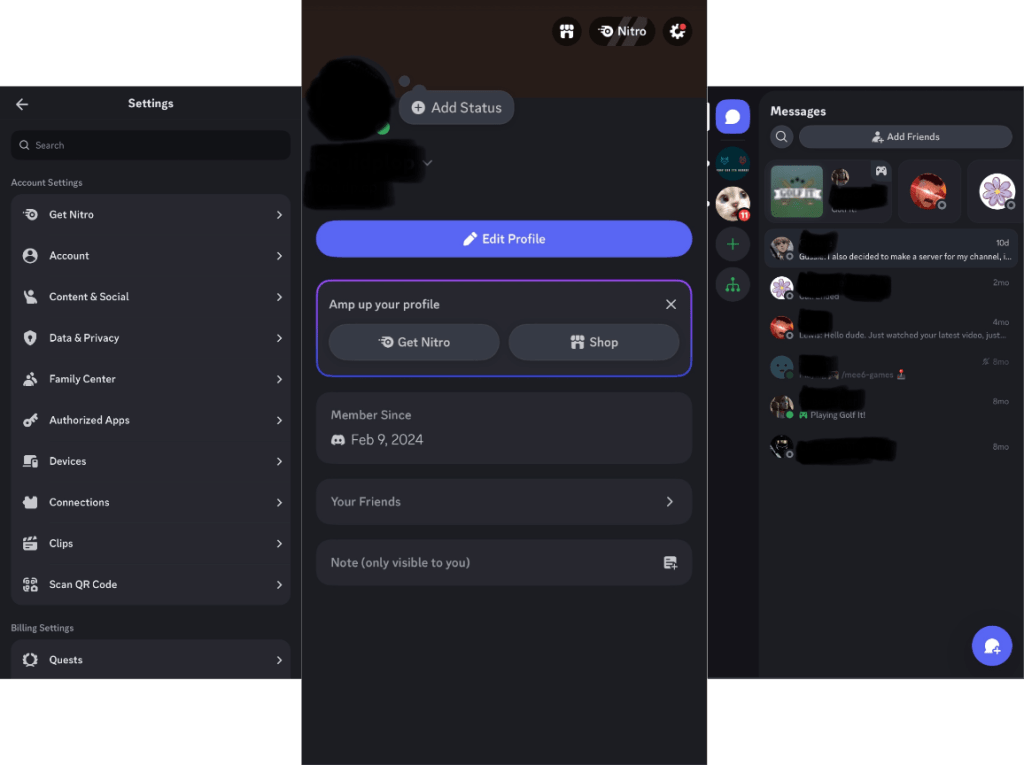
Lightning Demos are, essentially, quick ideas for how your prototype could potentially look. My group used this sprint technique excellently as we came up with plenty of bright designs and interfaces for our finance app. I personally saw fit to take inspiration from the look and style of Discord! I thought our app could use chat rooms, friend lists and requests, as well as dedicated 1-on-1 chat rooms with bots who are experts when it comes to money! It would be a smart and efficient way to connect with fellow users of the app and help each other learn better. Profile photos can also enhance the user experience and make their app feel closer to them.
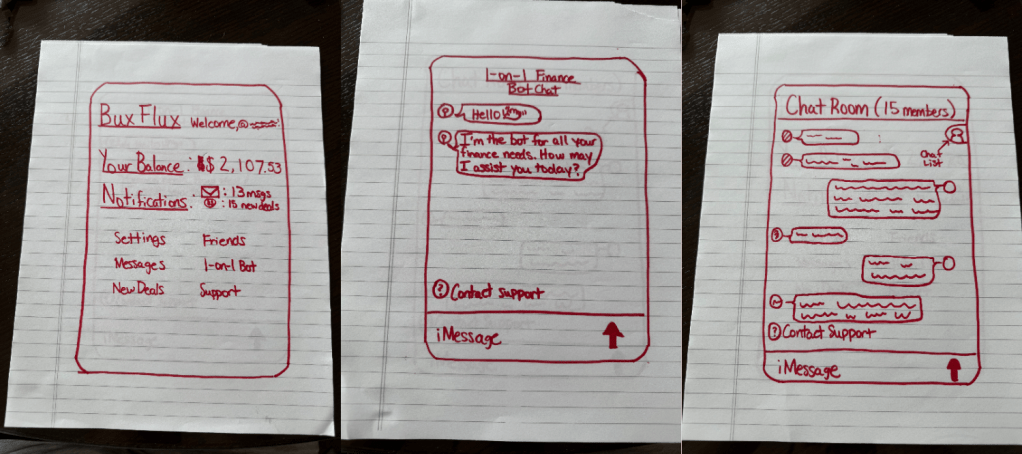
After gaining inspiration from Discord’s interface and aesthetic, it was time to start sketching and designing the potential look of our finance app! I started with a home page, with a sample site name and the username at the top of the page. Below that, the user can see their balance and notifications, as well as the settings, messages, friends, 1-on-1 bot, new deals and support pages. The next sketch is a sample of how talking to one of the bots would look like. It’s a standard chat room design, along with the next sketch, which is a chat room with a group of fellow users of our app. Both of them have an option to contact support and the chat room with friends gives you a list of the people in the chat at the top right of the page.
 UX Journey
Leave a comment