In Stolen Focus Chapter 8, The Rise of Cruel Optimism, Johann Hari explores the concept of “cruel optimism” primarily in the context of how we approach attention loss and productivity in modern society. The term “cruel optimism,” originally coined by theorist Lauren Berlant, refers to situations where the things people hope for are actually obstacles to their flourishing — where the object of desire becomes part of the problem.
According to Hari, many of today’s self-help recommendations on attention and productivity, such as time management tips, digital detox apps, and mindfulness training, provide a sort of cruel optimism. While these tools claim to help us regain our focus, they divert our attention from the underlying, structural reasons for our attention loss, such as surveillance capitalism, data-driven social media algorithms, excessively exciting digital environments, and work cultures that cause burnout.
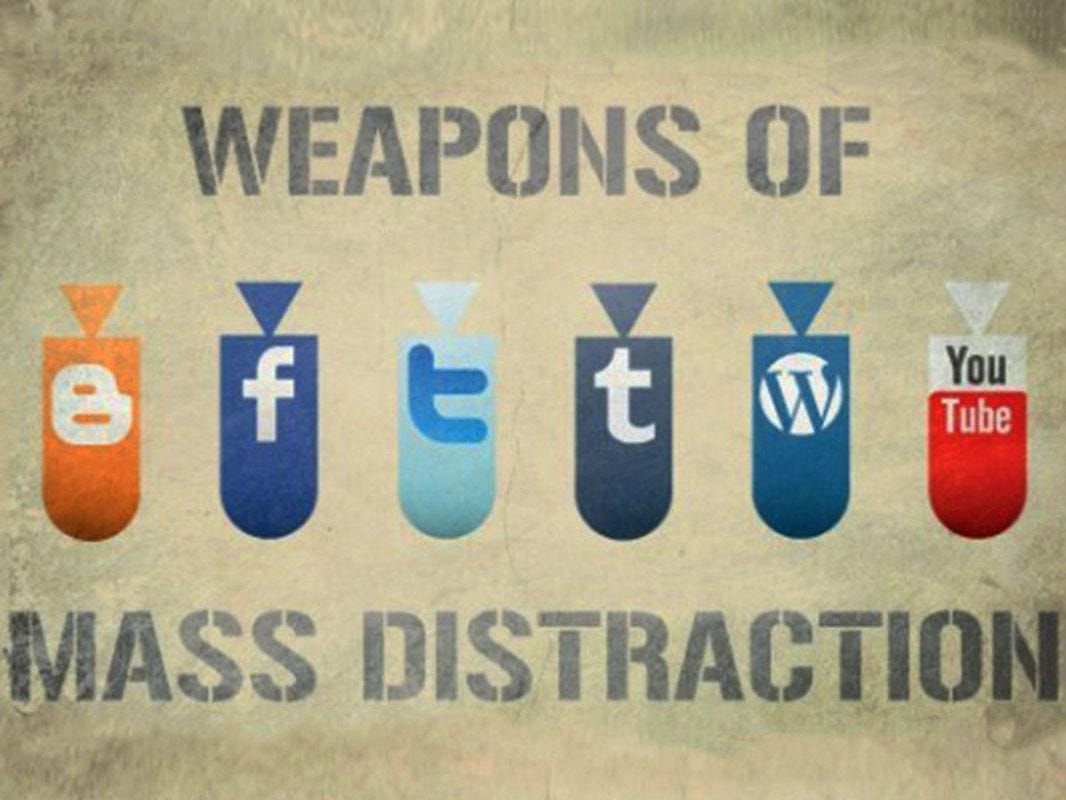
People are led to believe that they may improve their focus by simply working harder, even if the underlying causes are beyond their own control. The optimism is “cruel” because it fosters false hope and prevents people from calling for more significant societal change. The fixation with self-discipline in culture is criticized by Hari. He argues that it is not only ineffective to instruct people to just use more willpower to concentrate in an environment that is intended to distract them, but also demoralizing. Again, this demonstrates cruel optimism: attempting to flourish in a system that almost prevents it.
The book also promotes the naive notion that the same tech firms that gain from attention fragmentation will one day create solutions to enable users regain their concentration. According to Hari, this is foolish since it’s like asking arsonists to come up with fire prevention plans.
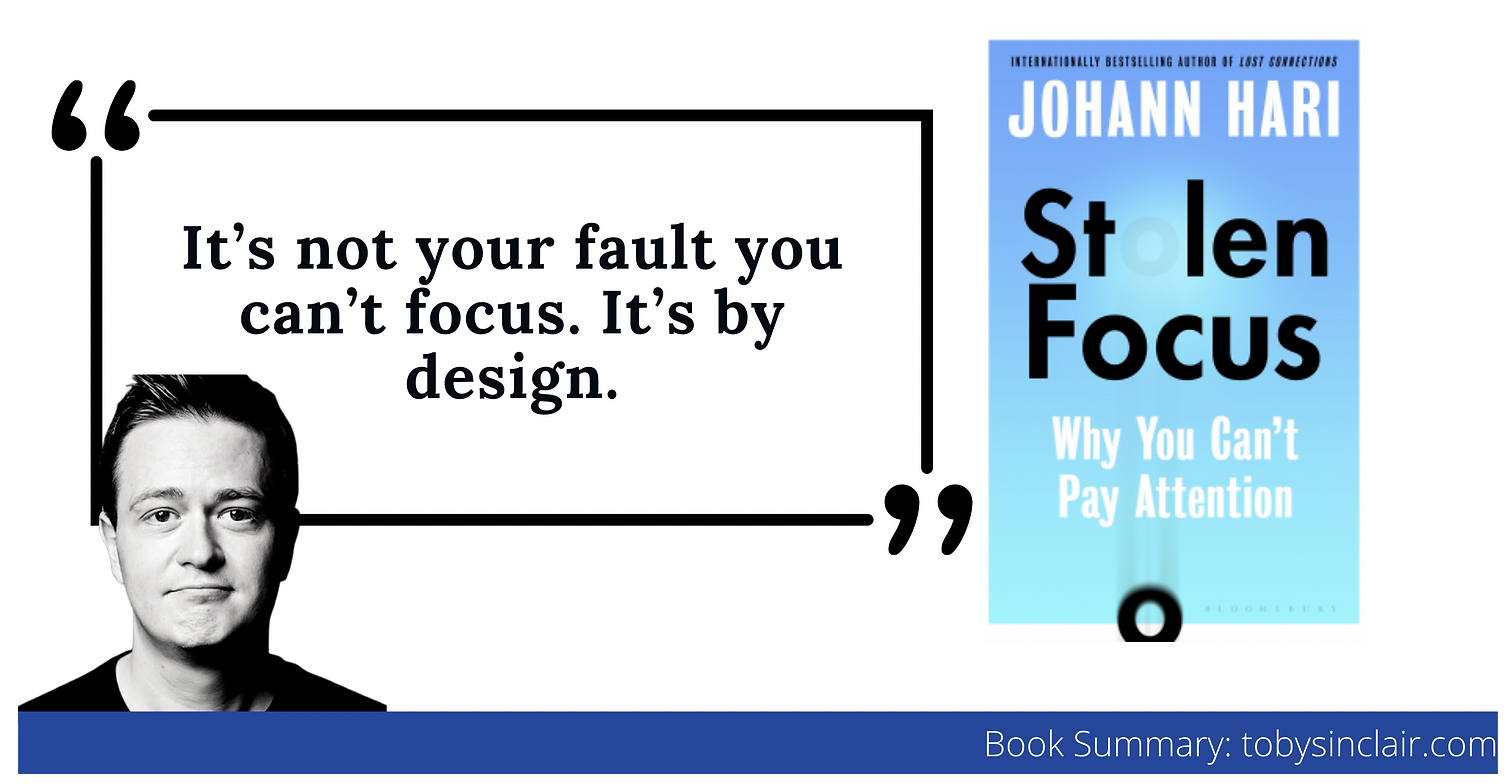
Johann Hari uses the concept of cruel optimism in Stolen Focus to demonstrate how society pushes people to look for individual answers to what are actually systemic issues. When it prevents individuals from addressing the technological, economic, and cultural structures that are initially diverting their attention, optimism turns harsh by trapping people in cycles of self-blame and delusion.
 UX Journey
Leave a comment