
Although design is frequently defined as the intersection of creativity and problem-solving, it is now also the intersection of psychology, economics, and human behavior. Understanding why consumers select, click, purchase, or abandon a product is as important as knowing what they require, since products now compete on usability, motivation, and emotional resonance as well as functionality.
Behavioral economics comes into play here. Contrary to conventional economics, which posits that individuals act rationally, behavioral economics demonstrates that people are wonderfully, predictably irrational. We make use of shortcuts. We become overwhelmed. We put things off. Although we are driven by incentives, they are not always the ones you may think.
This is a map, not a mistake, for designers. We examine below how behavioral economics influences better, more intuitive design and why it’s becoming necessary knowledge for anyone creating contemporary goods and experiences.
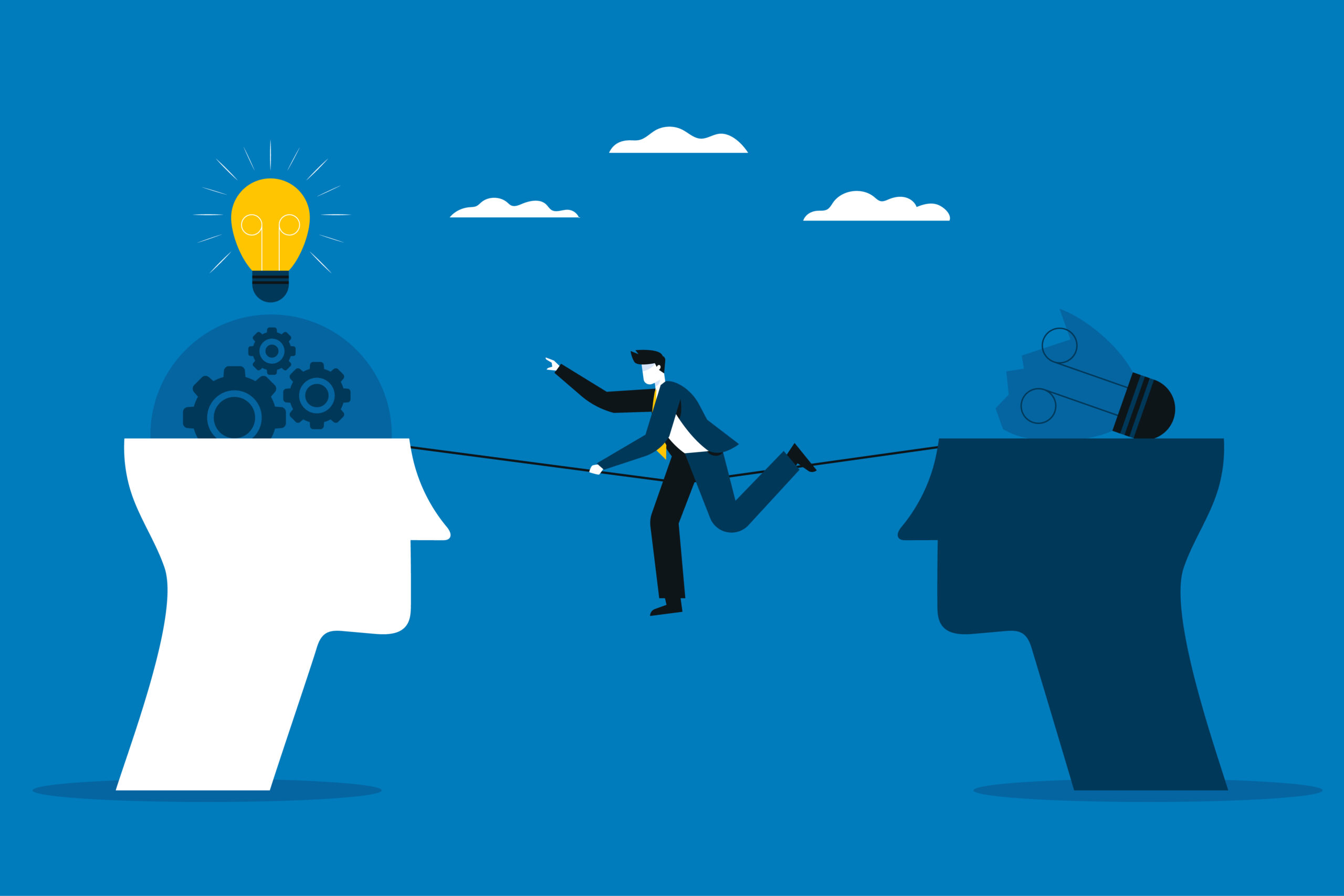
Cognitive Biases can be Understood to Make Design More User-Friendly
“Meeting users where they are” is a common phrase used by designers. The location of this is revealed by behavioral economics. In order to make sense of complicated information, people employ mental shortcuts (heuristics). Examples of this include choice overload causing decision paralysis, anchoring affecting how people see price or value, loss aversion making people more aware of what they may lose than what they may gain, and present bias directing us toward immediate pleasure and away from long-term advantages.
By comprehending these forces, designers can create flows that lessen cognitive burden, highlight the important information, and simplify interfaces. For instance, a checkout screen with fewer fields is not only cleaner, but it also helps to combat decision exhaustion and choice overload. Behavior-centered design is the result of human-centered design.
Theory of Nudging Guides Users Without Compelling Them
“Nudging,” which Thaler and Sunstein made famous, refers to creating settings that subtly lead individuals toward making wiser choices without restricting their autonomy. There are nudges everywhere in digital goods. Some examples include using timely reminders to prevent abandonment, highlighting “recommended” or “most popular” choices, providing progress indicators to encourage completion, or selecting the proper default option (e.g., opting into email receipts).
A successful nudge respects the user’s autonomy rather than attempting to influence them. The design of a choice environment, on the other hand, acknowledges that it may either help or impede a user’s objectives. Nudges, when done ethically, can lower friction, foster good behaviors, or boost involvement in a way that feels organic rather than forceful.

Behavioral Design Fosters Motivation and Encourages Action.
One of the biggest challenges is motivating users, regardless of whether you’re developing a fitness app, a budgeting tool, or a learning platform. Behavioral economics demonstrates the mechanisms behind motivation—and its fragility. By dividing goals into smaller activities (reducing overwhelm), offering prompt feedback to satisfy the brain’s reward circuits, employing commitment devices to assist users in completing tasks, and utilizing social proof to alleviate uncertainty, designers can increase motivation.
Gamification is frequently misinterpreted as the addition of points and badges. In fact, it is a behavioral technique that transforms advancement into something that is apparent, meaningful, and emotionally fulfilling.

Conclusion: Behavioral Economics is Now an Essential Design Talent.
Design is no longer simply about creating aesthetically pleasing or useful objects. It’s about influencing behavior, recognizing the limitations of humans, and designing products that are consistent with people’s genuine thoughts and actions. Designers may utilize behavioral economics tools to create experiences that are intuitive, enjoyable, and supportive of improved decision-making by minimizing friction and maximizing engagement.
By accepting behavioral insights, designers can produce solutions that are truly helpful and intelligent, rather than ones that go against human nature.
Behavioral economics is becoming a design imperative in a world of limitless options and limited attention.
 UX Journey
Leave a comment