By Nicholas Pagonis

Stories are a favorite of product teams. We discuss intended workflows, personas, and user journeys. However, intent is a poor indication of how well real goods may be improved. The most important thing is to empirically measure how people utilize a product—by methodically observing, documenting, and analyzing how they truly interact with it in the real world.
Product choices are shifted away from presumptions and toward data by empirical measurement. Instead of “we think users do X,” it says “we observed users doing X, Y, and sometimes Z.” The challenge is no longer about collecting data in an era of digital products that are rich in analytics; rather, it’s about figuring out what to measure, how to analyze it, and how to relate behavior to relevant results.
What Is Empirical Measurement of Product Usage?
Empirical measurement involves collecting data that can be seen and measured based on actual user behavior rather than only relying on opinions, forecasts, or self-reported views. This generally entails the following in product contexts:
Behavioral analytics (clicks, taps, scrolls, navigation paths).
The amount of time spent using it as well as how often it is used.
Embrace and forsake features.
Error rates and task completion.
Longitudinal usage trends over time.
Empirical usage data, in contrast to interviews or surveys, records actual behavior: what users do under actual limitations and in real situations when no one is looking. Qualitative methods are not, however, unimportant. Instead, qualitative findings aid in explaining the behavioral foundation that empirical measurement offers.
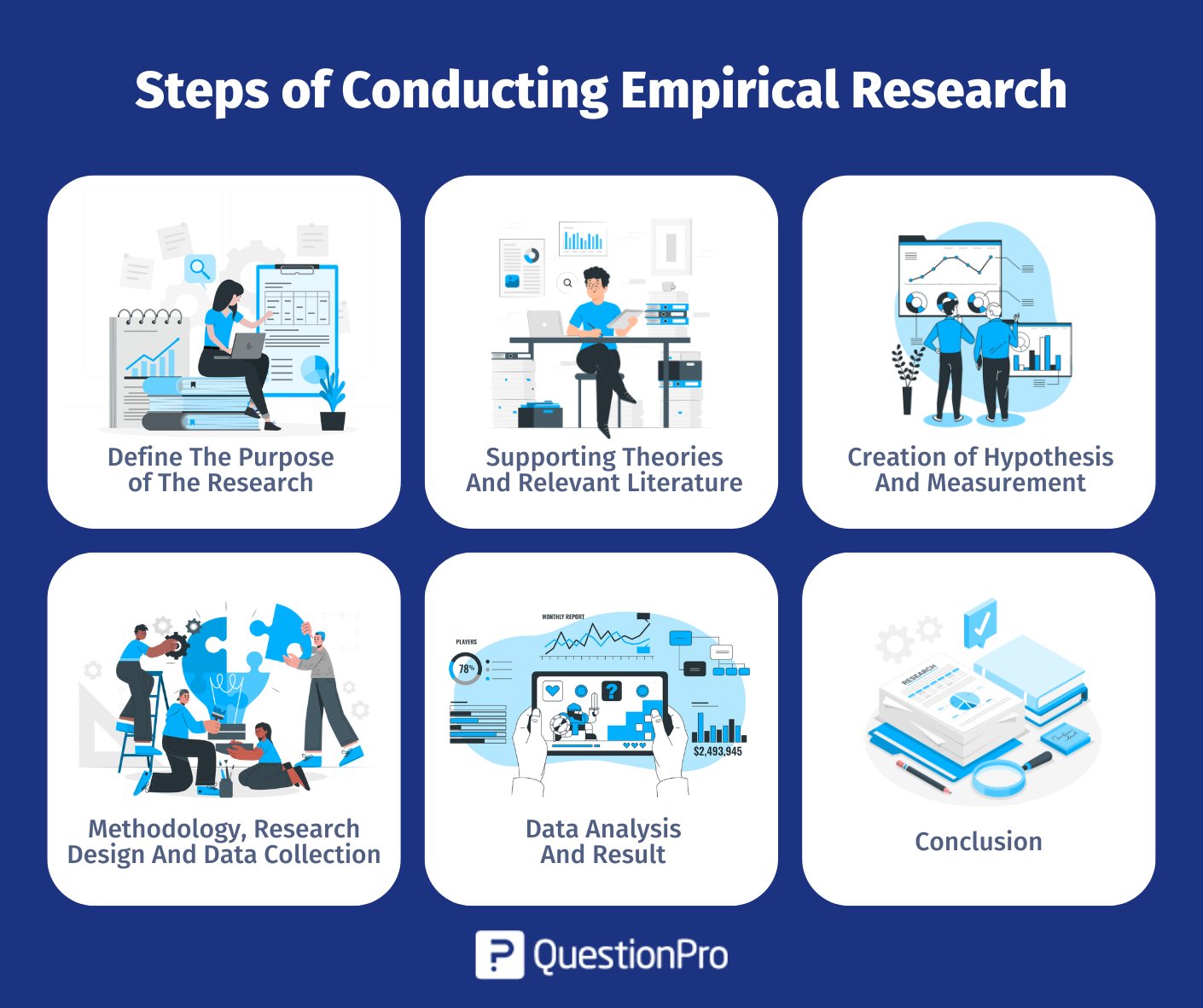
Why Empirical Usage Measurement Matters
Teams can end up optimizing the wrong things if they base their decisions on anecdotal feedback or intuition. Empirical measurement aids product teams in:
Recognize areas of friction users might not express themselves.
Identify features that seem appealing on paper but are ineffective in reality.
Give preference to improvements that have a genuine effect rather than loud viewpoints.
Verify (or disprove) assumptions about the product.
Monitor how designs evolve over time and assess how different design options impact them.
In a nutshell, product development becomes a learning system rather than a guessing game thanks to empirical evidence.
Common Methods and Metrics
- Event-Based Analytics
Amplitude, Mixpanel, Google Analytics, and similar tools monitor individual user behaviors, such as:
Clicks on buttons.
Features that are activated.
Submitting forms.
Errors or unsuccessful actions.
These incidents may be examined using funnels to identify user attrition points or using cohorts to compare behavior over time. An example metric is the percentage of users that finish onboarding during their initial session.
2. Session & Path Analysis
Path analysis and session recordings demonstrate how users navigate a product:
When they pause.
The place where they turn around.
When they leave unexpectedly.
This is particularly helpful for pinpointing discrepancies between the planned flow and the actual flow. An example metric is the most typical route taken before an account is given up.
3. Feature Adoption & Engagement Metrics
Not every feature is created equal. Empirical measurement helps answer:
Which features are really utilized?
Whom?
How frequently?
Weekly active use of a new collaboration feature by power users as opposed to casual users is an example of a metric.
Case Study 1: Rethinking a “Successful” Feature Launch
A popular dashboard functionality was introduced by a SaaS productivity business. The leadership deemed it a success, and the initial response was favorable. Nevertheless, empirical usage data showed a different picture.
What the figures revealed:
The feature was tried once by 68% of users.
Only 12% of respondents used it more than twice.
The majority of users found it by chance through navigation rather than on purpose.
Insight: The function addressed a theoretical issue, but it didn’t fit into the actual workflows of users.
Result: The team redesigned the feature to integrate into current task flows rather than segregating it in a separate dashboard. Following the redesign, repeat usage rose to 41%. The team could have kept investing in a feature that users silently ignored if there hadn’t been any empirical measurements.
Case Study 2: Observing Behavior vs. Asking Questions
A corporation involved in e-commerce sought to enhance its checkout procedure. User interviews revealed that the checkout process was “simple and intuitive.” However, conversion rates were still poor.
Empirical results:
Frequent switching between the payment and delivery screens was shown by session recordings.
Even when they didn’t have a promotional code, users would pause for the longest amount of time while entering it.
Mobile device error rates increased.
Insight: Cognitive friction at decision points, rather than perceived complexity, was the issue.
Outcome: The team enhanced the checkout process, eliminated the promo code field until later in the transaction, and enhanced mobile error handling. Conversion rates increased by 14%. A significant benefit of empirical measurement is demonstrated by this case: users are frequently unable to articulate their own actions.
Making Empirical Data Actionable
It is simple to gather information about use. It’s more difficult to make it useful. Teams that are productive:
Connect measures to specific product inquiries.
Stay away from vanity indicators like raw clicks without context.
Mix quantitative data with qualitative follow-ups.
As products evolve, revisit measurements frequently.
They consider empirical measurement to be a continuous investigation, not just a one-time verification procedure, which is its most important aspect.
Conclusion: Designing for Reality, Not Assumptions
The basis of product design and strategy is the real world, as determined by empirical data. It demonstrates where products fall short in providing value, as well as what consumers choose to prioritize and what they choose to avoid. Behavioral data offers a crucial counterbalance to presumptions, tastes, and internal narratives, even though no single dataset tells the complete story.
The teams that prevail in a cutthroat product environment are those that are most receptive to learning from what users actually do, not those with the strongest viewpoints.
 UX Journey
Leave a comment