Reading & Writing
Introduction
For the second week of DCCS 508: Audio & Video Design, our assigned readings focused on recording high quality vocals and editing audio to create a more professional production. Both articles emphasize how important sound is when creating engaging media, whether it involves music, video, or podcasting. Since I am currently developing a podcast about the competitive Super Smash Bros. Melee community, I found these topics particularly relevant to the recording and editing process.
1. 7 Secrets for Getting Pro Sounding Vocals on Home Recordings
Source: 7 Secrets for Getting Pro-Sounding Vocals on Home Recordings — Sonicbids
This article by Filippo Gaetani discusses seven techniques for improving vocal recordings without needing access to a professional recording studio. One of the main points is that the recording environment can make a significant difference in audio quality. The author recommends recording in a comfortable space with minimal echo and unwanted reflections. Everyday items such as blankets, curtains, mattresses, and pillows can help absorb sound and create a more controlled recording environment. This demonstrates how someone can improve their recordings without necessarily purchasing expensive equipment.
Another important takeaway is the role of microphone placement and recording levels. The article explains how positioning the microphone correctly and using a pop filter can help produce clearer vocals while reducing harsh sounds from certain consonants. It also emphasizes keeping recording levels under control to prevent clipping or distortion. Beyond the technical setup, the author recommends recording multiple takes and being careful not to overprocess vocals during editing. Effects such as equalization, compression, and reverb can be useful, but excessive processing can make a recording sound unnatural.
What stood out to me most is that achieving professional sounding audio involves preparation as much as editing. Since I will be recording narration for my Melee podcast, I want to pay attention to the environment I’m recording in, my distance from the microphone, and the consistency of my speaking volume. I also plan to record multiple takes so that I have options when editing. I think these techniques will help me create narration that sounds clear and natural while minimizing the amount of correction needed afterward.
2. Sound Advice: Editing Audio for Video
Source: Sound Advice: Editing Audio for Video — Videomaker
This article explores the importance of treating audio as a major part of video production rather than something secondary to the visuals. One of its central ideas is that editors should consider building the story around the audio before concentrating on the visual elements. The author introduces concepts such as A roll, which contains the primary footage and important dialogue, and B roll, which provides supplementary material that supports the main story. Although these terms are generally associated with video production, they also demonstrate how different types of media can work together to create a cohesive experience.
Another important point is the process of organizing and refining audio during editing. The article recommends assembling the main story in a logical sequence before worrying about visual transitions. Once the structure is established, editors can trim unnecessary sections, adjust transitions, and use fades to create smoother connections between clips. It also emphasizes listening carefully for inconsistent volume levels, awkward transitions, and audio glitches. These techniques help prevent distracting changes in sound from interrupting the audience’s experience.
My biggest takeaway from this reading is that audio editing should support the story rather than simply remove mistakes. Even though my current project is an audio only podcast, I think many of these techniques still apply. I want to make sure my narration flows naturally between topics and that music, ambient audio, and sound effects complement what I’m saying. For example, I could use controller sounds and gameplay ambience to introduce the competitive Melee environment, then gradually transition into narration about the community and what motivates players to improve. Paying attention to timing and audio transitions should help make the final podcast feel more polished.
Overall Reflection
After reviewing these two articles, I have a better understanding of how recording and editing contribute to the overall quality of an audio production. The Sonicbids article focuses on getting a clean recording from the beginning, while the Videomaker article emphasizes organizing and refining recorded material to communicate a story effectively. Together, they reinforce the importance of planning, technical awareness, and thoughtful editing.
As I continue working on my podcast about the competitive Super Smash Bros. Melee community, I want to apply these lessons by recording in a controlled environment, maintaining consistent audio levels, and using transitions that make the story easy to follow. I also want to experiment with music and sound effects without allowing them to overpower the narration. I think understanding these techniques will help me produce a more engaging and professional sounding final project.
Research to Inform
For this assignment, I selected three videos that demonstrate different ways audio can contribute to visual storytelling. My examples include a documentary about competitive gaming, an action scene from an anime series, and a trailer for a fan made Pokémon game. I chose these projects because they represent different styles of media production and provide opportunities to examine how music, ambient audio, and sound effects can make visual content more engaging.
1. Metagame Excerpt
Source: Metagame Excerpt — YouTube
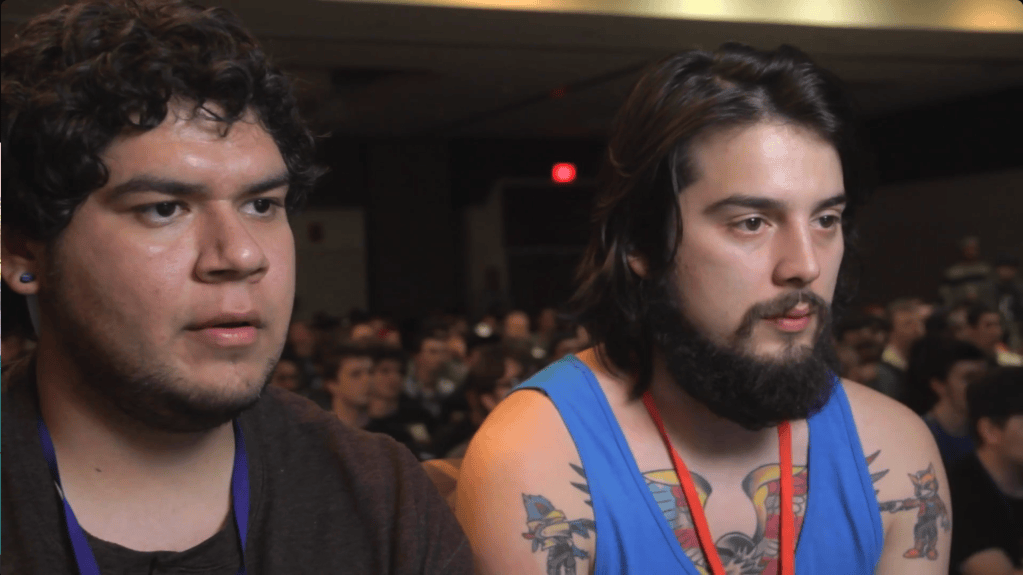
I chose this excerpt from Metagame because it focuses on the competitive Super Smash Bros. Melee community, which is also the subject of my own podcast project. The documentary explores the history of competitive Melee and the players who helped shape its competitive scene. This particular excerpt focuses on the Pound 3 tournament in 2008 and the emergence of Joseph “Mango” Marquez as a major competitor.
One aspect I find interesting about this style of documentary is how interviews and tournament footage can work together to communicate the excitement and significance of competitive gaming. Music can help establish an emotional tone, while gameplay audio and crowd reactions can communicate the intensity of a match. I think these elements are especially important when presenting competitive gaming to an audience that might not understand the game itself. This is the kind of storytelling approach I would like to explore in my own podcast.
2. Sasuke vs. Kinshiki — Boruto: Naruto Next Generations
Source: Sasuke vs. Kinshiki — YouTube
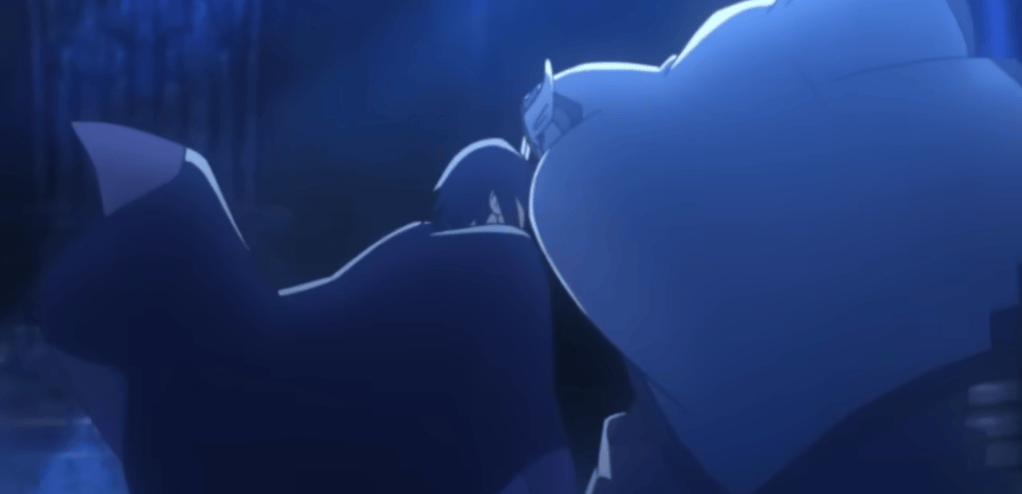
I selected this fight scene from Boruto: Naruto Next Generations because action sequences provide an opportunity to examine how sound effects and music support movement and visual storytelling. The scene features Sasuke fighting Kinshiki, creating a situation where the timing and intensity of the audio are important to the overall presentation.
What interests me about action oriented sound design is how individual effects can emphasize the impact of different movements. Sounds associated with attacks, weapons, and environmental interactions can make animated action feel more physical and convincing. Background music can also contribute to tension and excitement, while quieter moments can create contrast between major events. I think this is an effective type of scene to study because the audience’s experience depends on the relationship between the animation and the accompanying audio.
3. Pokémon Heartfelt Gold — Release Trailer (NDS ROM Hack)
Source: Pokémon Heartfelt Gold — Release Trailer
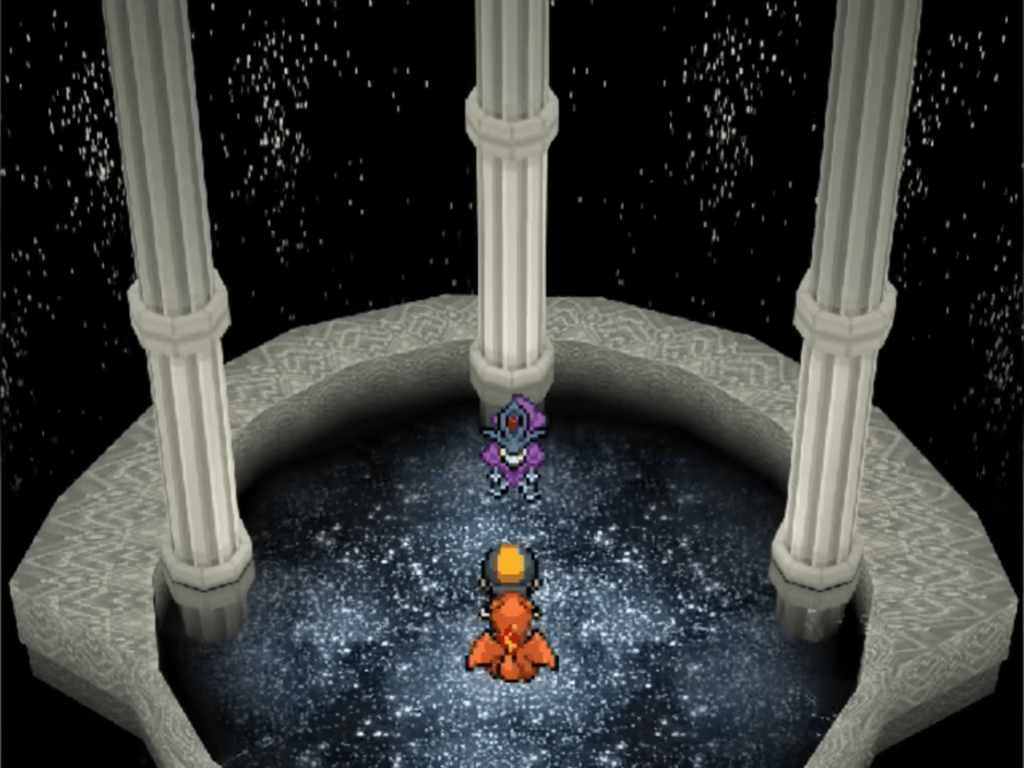
I chose this trailer because it demonstrates how audio can contribute to the presentation of a video game. Pokémon Heartfelt Gold is a fan made Nintendo DS ROM hack based on the Pokémon series. A release trailer needs to introduce the project, demonstrate its features, and generate excitement within a relatively short amount of time.
One aspect I want to focus on is how music and gameplay sounds can support the trailer’s pacing. Music can help establish the overall mood, while sound effects associated with battles, menus, and other gameplay elements can reinforce what is happening on screen. I also think transitions between different gameplay scenes are important because the audio needs to feel connected even when the visuals change quickly. This example is particularly relevant to my interests because it combines video game design, editing, and audio production.
Overall Reflection
These three examples demonstrate different ways audio can contribute to visual media. Documentary production uses sound to support storytelling and emotional engagement, animated action relies on carefully timed effects to emphasize movement, and video game trailers can use music and sound to communicate excitement and establish a recognizable atmosphere.
What I find most interesting is that audio serves a different purpose depending on the type of production. Although my current podcast will not include visuals, I can still apply many of these techniques. For example, I want to use narration to explain the competitive Melee community, ambient audio to establish the atmosphere of competition, and music and sound effects to emphasize important moments. Studying these examples should help me make more thoughtful decisions when editing my own audio project.
Create
More Than a Game: The Pursuit of Greatness in Super Smash Bros. Melee episode 1:


Leave a Reply