By Nicholas Pagonis

The most valuable currency in the crowded, fast-paced world of social media is attention. Every scroll, like, and share reveals a momentary choice about what merits someone’s attention. In this context, “stickiness” has become a key component of successful material. The term “stickiness” describes how well a piece of material draws in and retains viewers—that is, how memorable, captivating, and shareable it becomes. Stickiness has a major impact on advancing social welfare and creating a better future, despite being frequently linked to marketing and entertainment.
Sticky content is fundamentally appealing. It conveys information in a way that feels urgent and intimate, arouses emotion, or tells a gripping tale. Consider visually arresting infographics that make facts accessible or short films that condense complicated societal topics into easily understood tales. People are more likely to interact with and share content when they feel something, be it empathy, outrage, inspiration, or hope. Passive viewers become active participants because of this emotional and cognitive involvement.
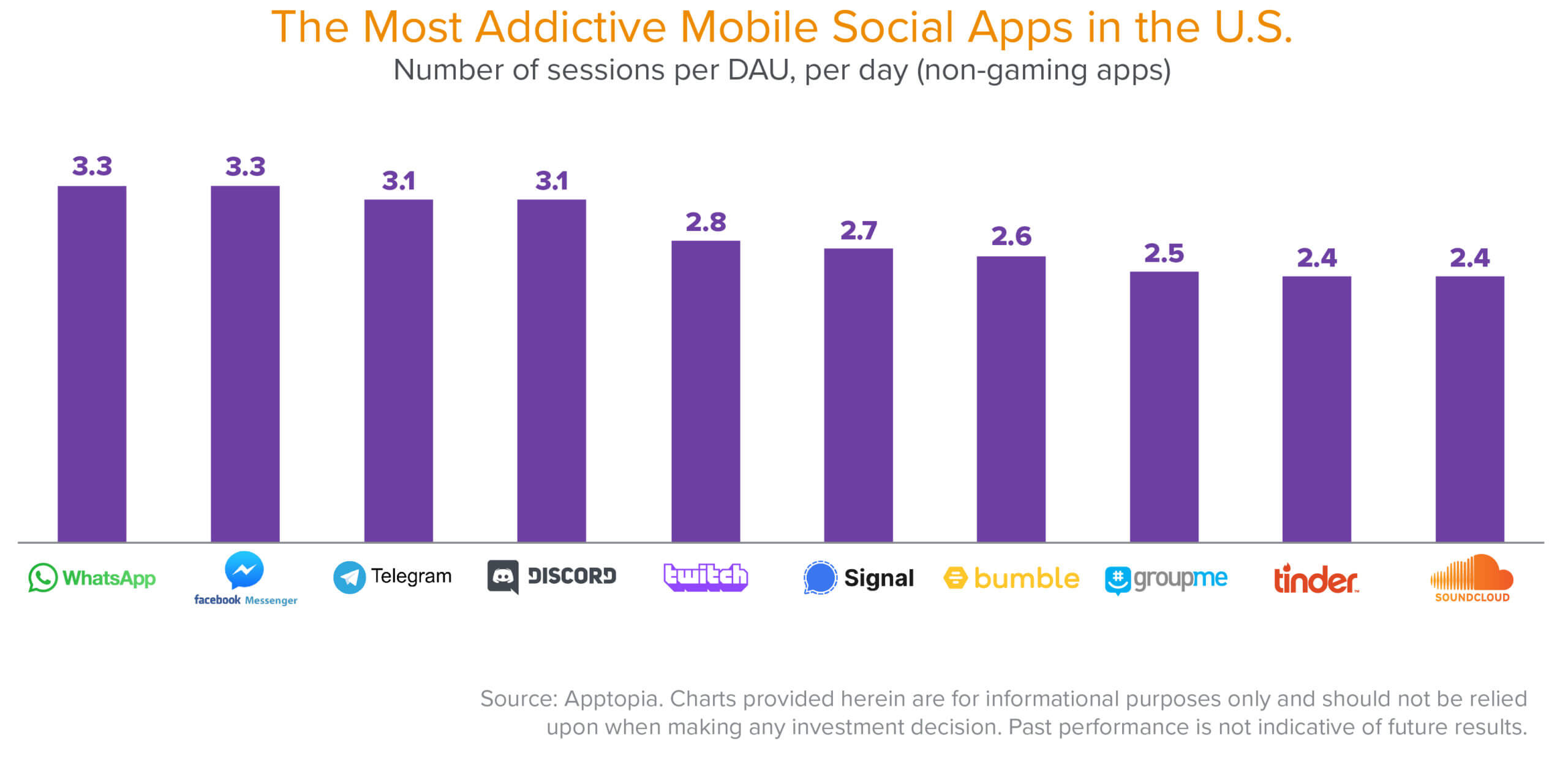
Stickiness can significantly amplify social issues. Campaigns that effectively use it can increase awareness in ways that go well beyond conventional outreach techniques. For instance, a well-written post about climate change might have strong imagery, a succinct message, and an obvious call to action, urging readers to comprehend the problem and spread it among their networks. In this sense, stickiness facilitates the spread of ideas through peer-to-peer communication, frequently at an exponential rate. People become amplifiers as a result.
Additionally, stickiness can make difficult or neglected problems easier to understand. Because social problems entail complex systems, historical context, and abstract data, they are frequently challenging to understand. Sticky material converts complexity into clarity by simplifying without requiring oversimplification. Audiences are more inclined to care when they can instantly grasp why something is important. This is especially crucial for capturing the attention of younger audiences, who are quick information consumers and demand visually appealing and educational content.
But the same characteristics that make information memorable also bring about serious restrictions and moral dilemmas. The danger of oversimplification is one of the main problems. Content producers may remove subtleties to make their work easier to read and distribute, which could result in misconceptions or unfinished stories. It’s not always possible to condense complicated topics like global health problems or systematic inequalities into a single post without sacrificing important context. Stickiness can distort reality instead of illuminating it when it puts virality ahead of accuracy.
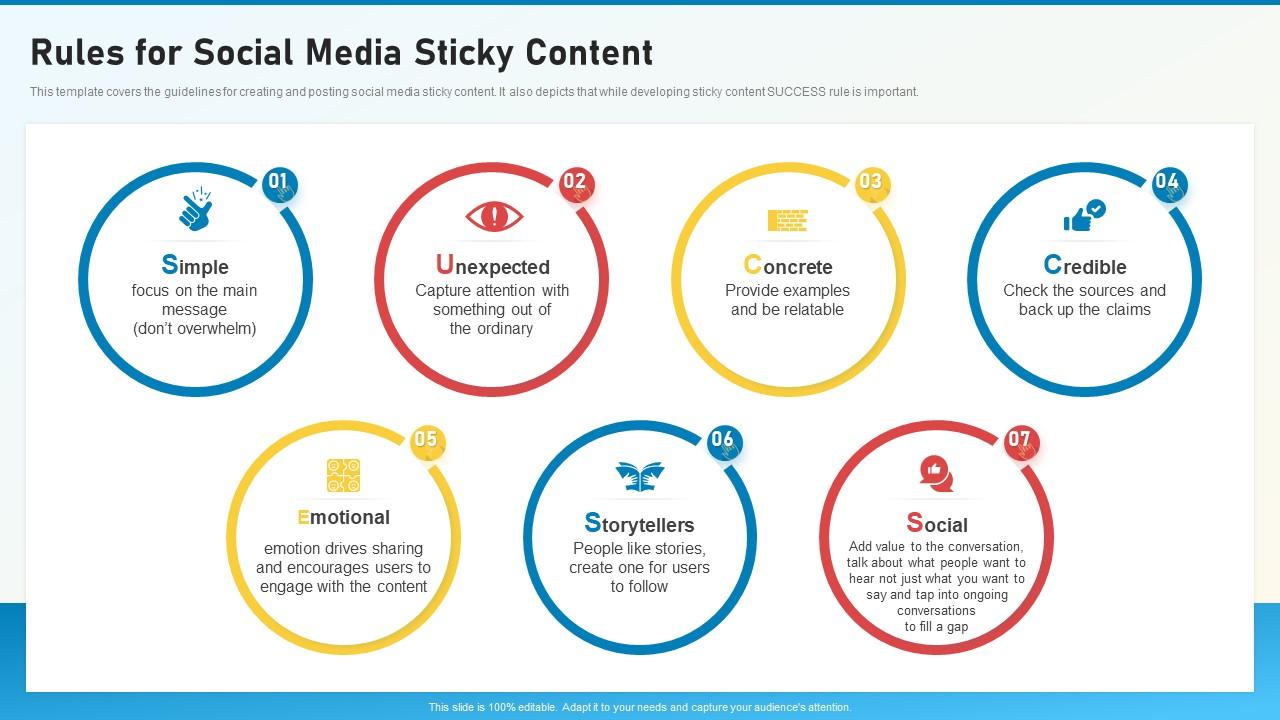
The possibility of manipulation is another issue. Sticky material frequently uses emotional triggers, which can be used to propagate divisive or false information in addition to motivating positive action. Regardless of its truthfulness, very sticky content may receive excessive attention since algorithms typically favor interaction more than truth. This fosters an atmosphere in which destructive or deceptive narratives can proliferate just as readily as positive ones.
Additionally, “slacktivism” replaces real activity with engagement with sticky information. Without necessitating more in-depth engagement, liking, sharing, or commenting on a post can encourage participation. Even if these activities raise awareness, they might not result in actual change if they are not combined with consistent work, such as volunteering, making donations, or supporting legislative changes. In this way, stickiness can create the impression of having an impact.
Stickiness is nevertheless a useful tool when applied carefully, despite these difficulties. The key is to achieve a balance between integrity and involvement. By employing narrative strategies that pique interest rather than stifle debate, content producers and activists can work to make their views compelling without compromising veracity. You can close the gap between awareness and impact by offering links to further resources, fostering critical thinking, and encouraging concrete actions.
In the end, stickiness is a mechanism rather than anything intrinsically good or harmful. The way it is used determines its worth. Sticky material may inspire collective development, mobilize communities, and amplify marginalized voices when it is in line with ethical aims, genuine facts, and meaningful calls to action. Understanding stickiness may be one of the best ways to put awareness into practice and move society, even in tiny steps, toward a better future in a digital world characterized by a never-ending fight for attention.


Leave a Reply