By Nicholas Pagonis
:max_bytes(150000):strip_icc()/arabspring-589dd6ee5f9b58819c868150.jpg)
Social media has completely transformed the way that public speech, protest, and power interact in the modern world. A smartphone may now naturally produce what formerly required centralized leadership, physical presence, and access to traditional media. The Arab Spring, a wave of upheavals that showed both the potential and the limitations of digitally powered movements, is one of the moments that most exemplifies this change.
Social media sites like Facebook, YouTube, and Twitter were used to plan protests, disseminate updates in real time, and expose governmental atrocities to a worldwide audience during the Arab Spring. Social media helped mobilize sizable portions of the populace in nations like Egypt and Tunisia, especially young people who were fed up with repression, unemployment, and corruption. Governments found it more difficult to manage narratives as a result of the disruption of conventional power structures caused by the speed and volume of information flow.
However, social media did not ensure the success of these movements, even though it did help spark them. While some governments collapsed, others adjusted, regained power, or became unstable. This brings up an important point: social media can magnify opposition, but it cannot create long-lasting political structures on its own. It is a catalyst for long term institutional change rather than a replacement for it.
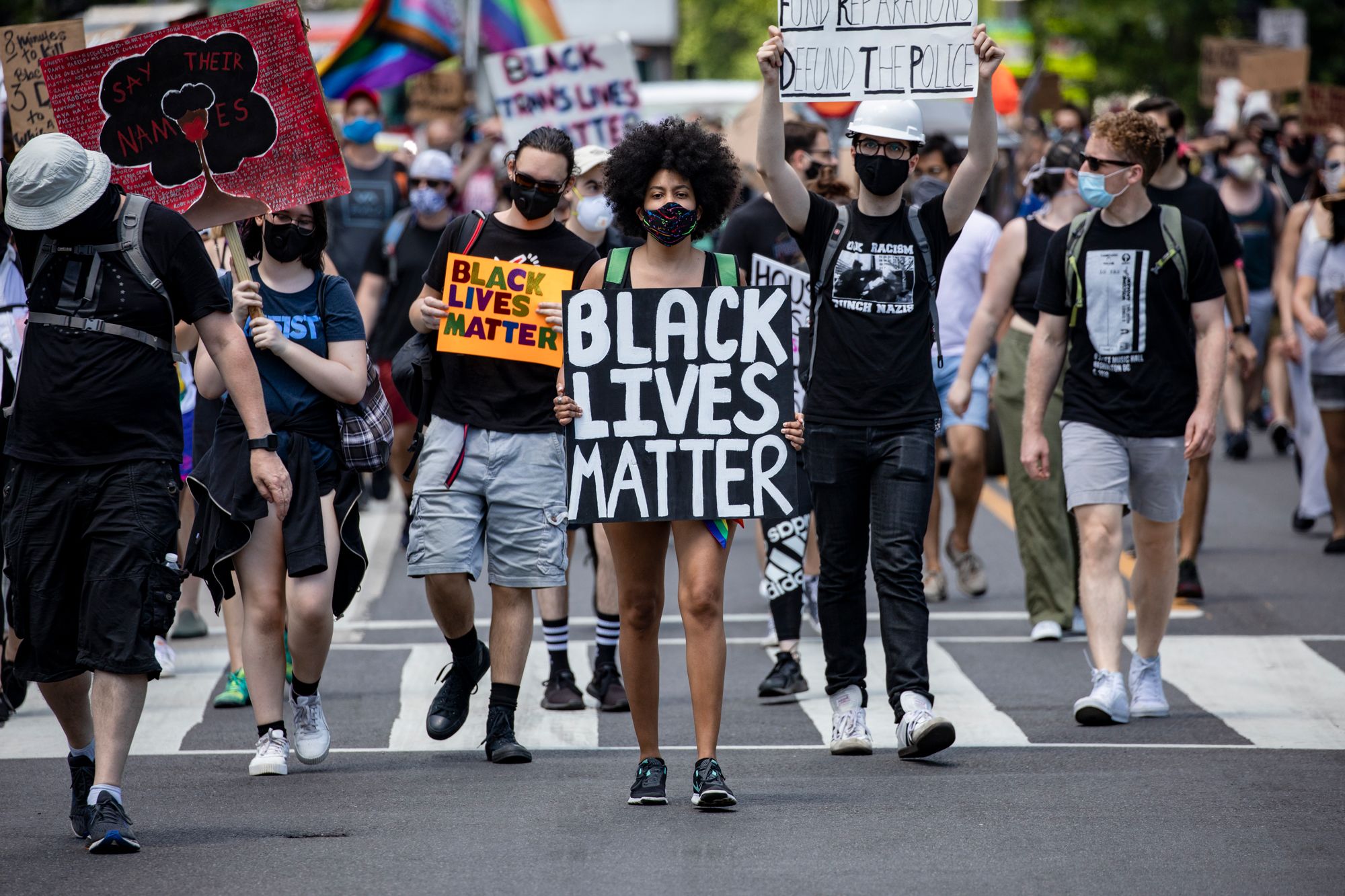
Researchers have observed similar dynamics in other movements. For example, hashtags, viral videos, and internet organizing helped the Black Lives Matter campaign acquire global traction. Once unnoticed instances of police violence turned into international hotspots that sparked demonstrations and policy debates. In addition to raising awareness, social media influenced public opinion and put pressure on organizations to take action.
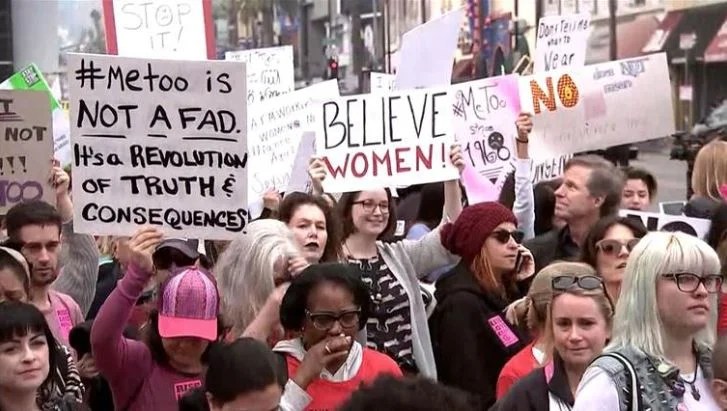
Similarly, by enabling people to publicly share their personal experiences, movements like #MeToo exposed systematic abuse. These narratives, which conventional systems frequently disregarded, acquired credibility and collective weight on the internet. Social media made it possible for underrepresented voices to demand responsibility and reach past gatekeepers.
Can social media, thus, “right wrongs” or overthrow repressive regimes? “Sometimes, but not by yourself,” is the response. Social media may link like minded people, reduce participation barriers, and bring injustice to the attention of the world. Authoritarian regimes may weaken the informational control they rely on. Real change, however, usually necessitates collaboration outside of the digital realm, including political organization, economic pressure, legislative reform, and ongoing civic participation.
There are actual dangers as well. Governments can utilize the same channels that empower activists for disinformation, propaganda, and monitoring. Misinformation can break up movements or reduce them to performative “clicktivism,” where participation on the internet doesn’t result in significant action. Algorithms have the potential to skew public perception by favoring sensational news over factual or nuanced information.
We can discover that social media works best when it supports local initiatives rather than taking their place. Successful movements often demonstrate digital visibility, well defined objectives, leadership frameworks, and long term change tactics. They also adjust to the platforms they use, staying aware of their limitations and reach.
Social media will probably continue to play a major role in international movements in the future. It is unparalleled in its capacity to immediately connect millions of individuals. However, the way we apply it determines its actual impact. It may be a potent force for justice if activists, organizations, and regular users approach it carefully, striking a balance between speed and accuracy and visibility and strategy.
Ultimately, social media does not produce justice by itself, individuals do. However, it can provide those individuals with a greater voice, a larger audience, and occasionally the momentum required to transform indignation into actual change.


Leave a Reply