By Nicholas Pagonis
There is a big difference between having an idea for a digital product and actually starting to build it. During the first week of developing my UX Launch Kit, I learned that the hardest part isn’t necessarily coming up with features. It’s deciding which features actually belong in the first version.
My original concept was fairly broad. I wanted to create a resource that could help aspiring UX designers with their portfolios, resumes, LinkedIn profiles, job applications, and interviews. Once I started thinking about the product from a user’s perspective, however, I realized that trying to solve everything at once could make the product overwhelming.
Starting With the MVP
My first development decision was to focus on the minimum viable product, or MVP. Instead of attempting to build an entire UX career program, I narrowed the initial product down to a toolkit that could help someone move from an existing project to a professional case study and an organized job search.
I started organizing the product into sections such as project selection, case study development, portfolio preparation, and job searching. This helped me visualize the experience as a process rather than simply a collection of downloadable resources.
Tools and Resources
For this stage, I used tools such as Notion, Canva, and Figma to organize ideas and begin developing the product’s structure and visual direction.
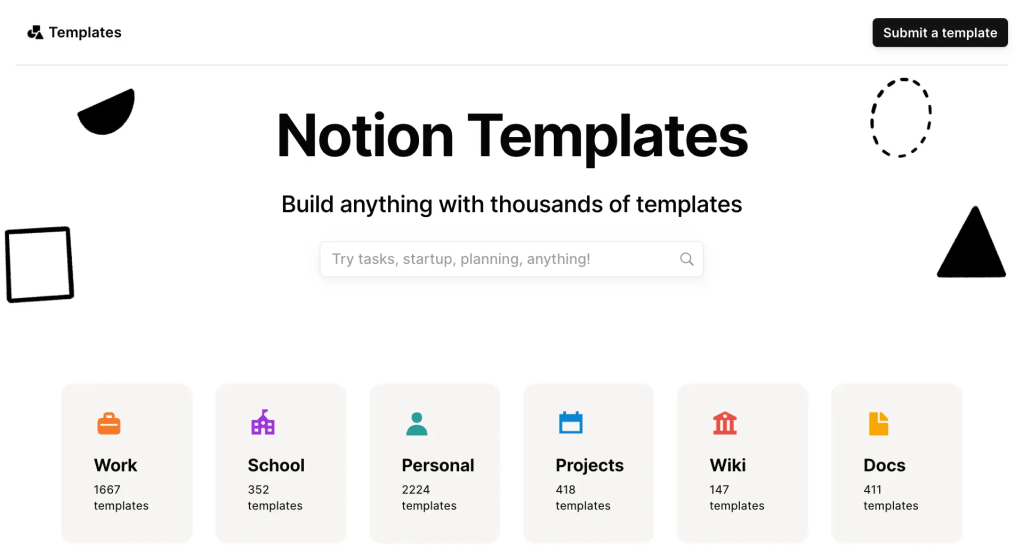
I also continued researching existing UX resources. Looking at Notion’s UX portfolio templates helped me understand how existing products organize information, while the Interaction Design Foundation’s UX portfolio resources provided additional examples of how designers approach portfolio development. Resources such as the UX Portfolio Playbook also helped me see how a more comprehensive paid product could be structured.
What Surprised Me
My biggest assumption going into the week was that building the product would mostly involve creating the individual templates and worksheets. In reality, the structure and user experience come first.
I found myself asking questions I hadn’t considered during the brainstorming stage: What should users do first? How much information is too much? Which features are essential? What should be saved for a future version?
Those questions changed my approach. Rather than trying to make the product as large as possible, I’m beginning to see that a successful MVP should be focused and easy to understand.
What’s Next
At the end of Week 1, the UX Launch Kit is still a work in progress, but the idea is becoming much more concrete. My next step is to continue developing the actual toolkit, create early versions of the core resources, and eventually put them in front of potential users for feedback.
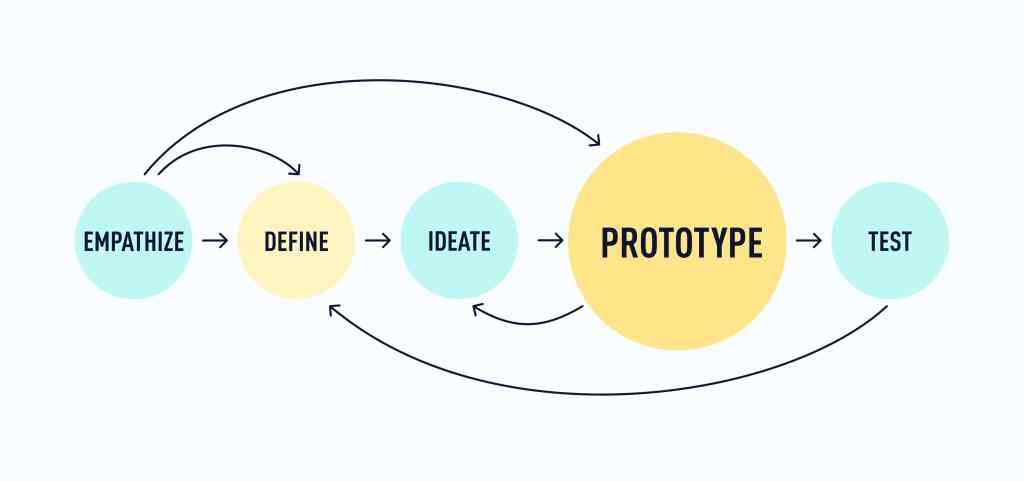
The biggest lesson from this first week is simple: building a digital product is an iterative process. The idea I started with isn’t necessarily the product I’ll finish with, and that’s actually a good thing.
 UX Journey
Leave a comment